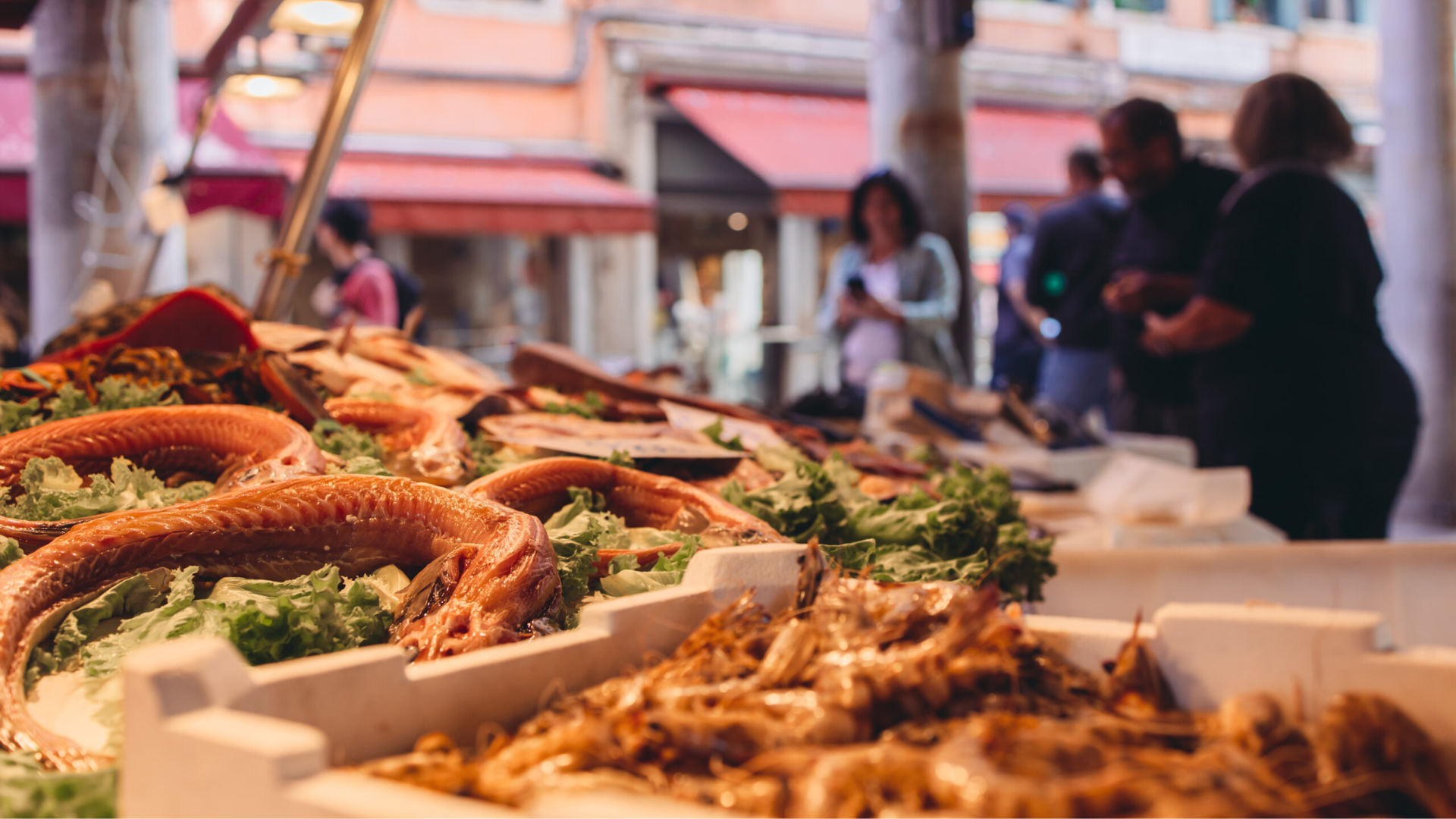
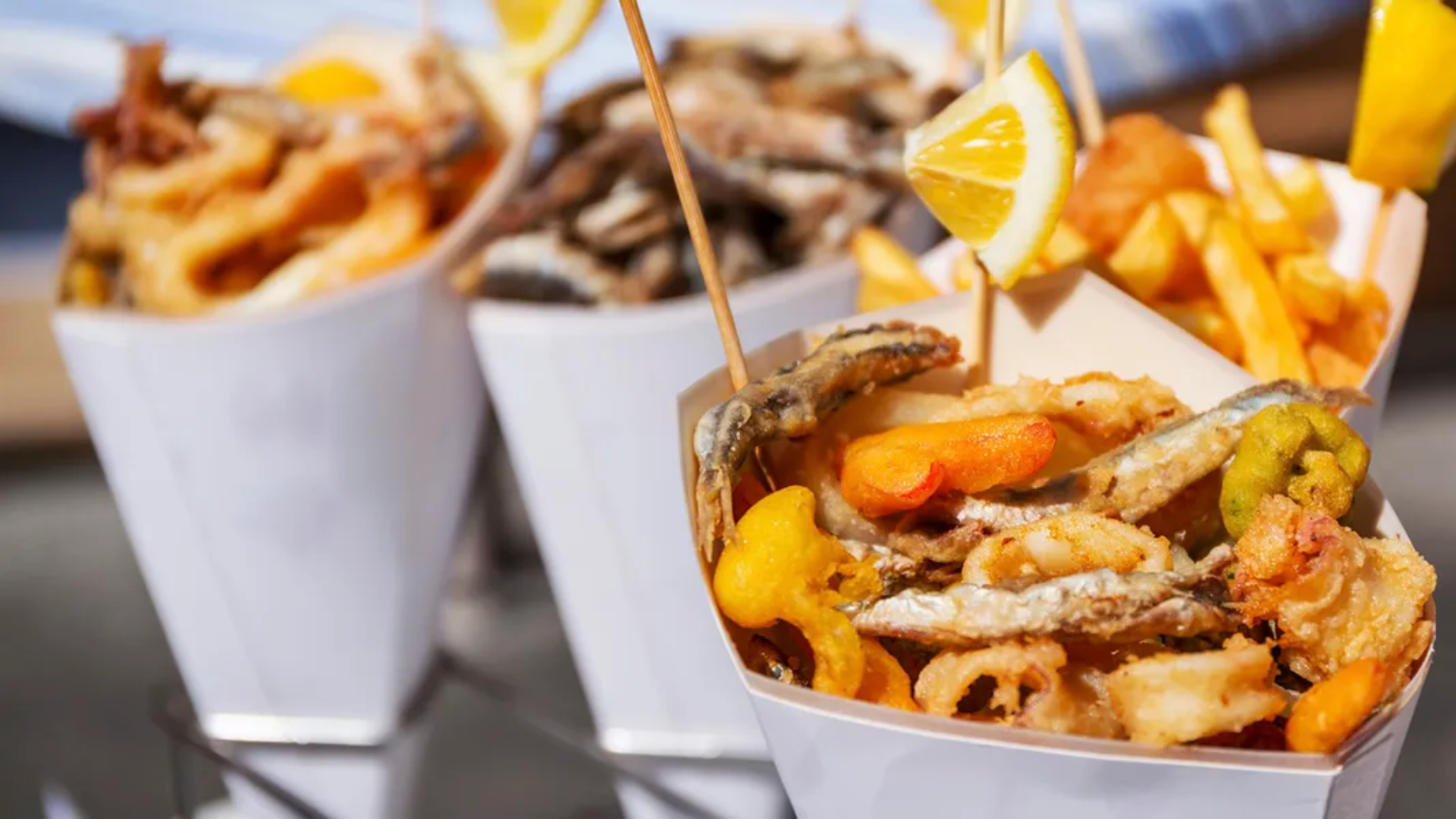
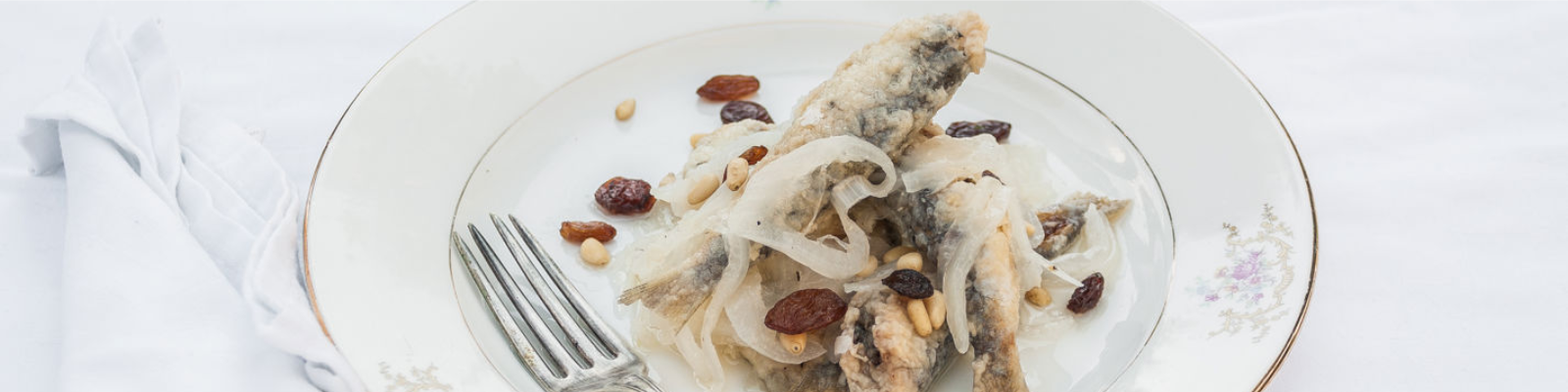
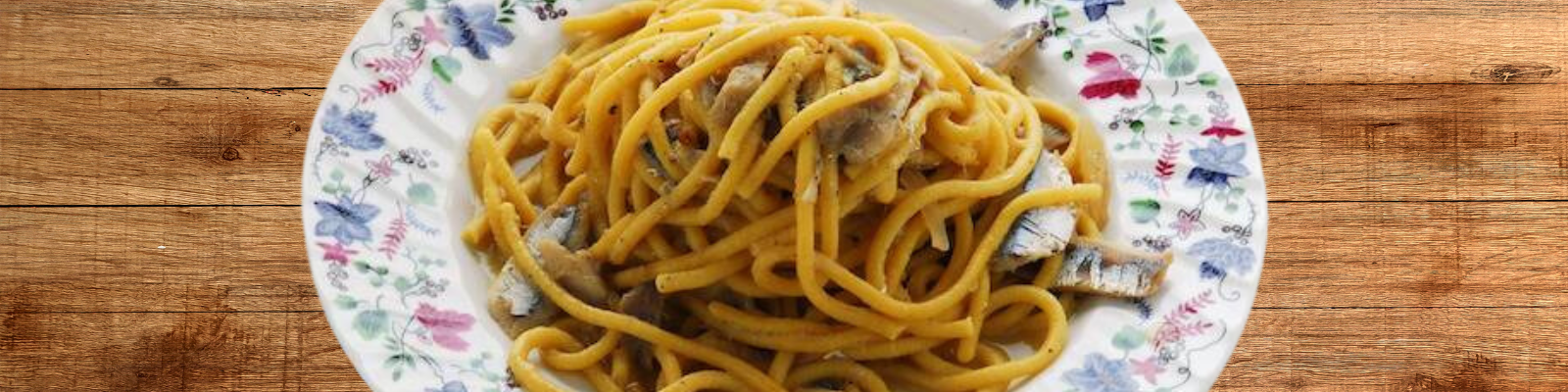
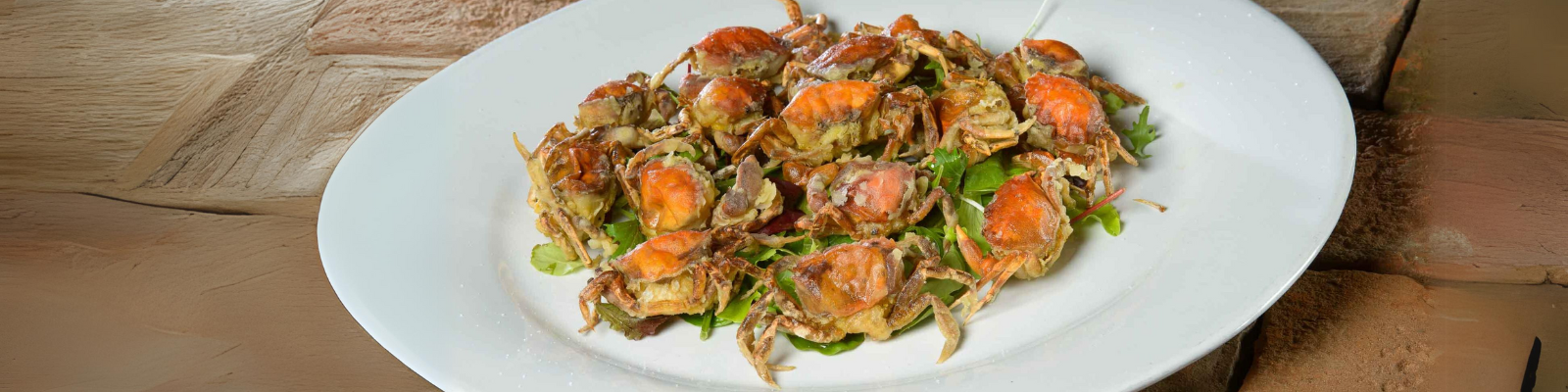
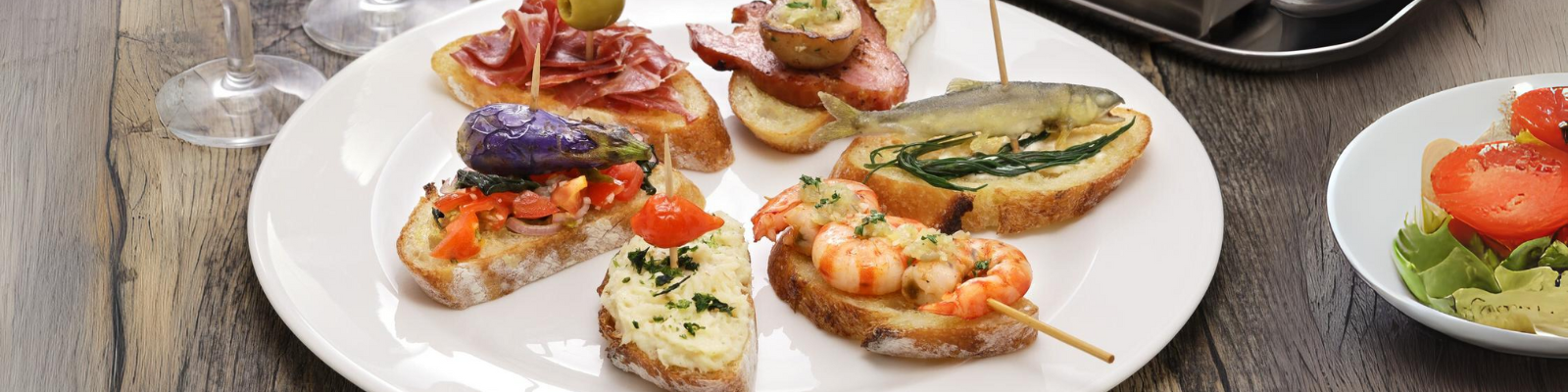
Venetian cuisine is characterized by its close connection to the lagoon, reflecting a
delicate
balance between land and sea. Its flavors are shaped by the natural bounty of the surrounding waters
and fertile islands, where seafood and local produce are central. The cuisine tends to be subtle and
restrained, often relying on a few well-chosen ingredients to create harmony in a dish. Seasonality
plays an important role, with ingredients like fresh vegetables, seafood, and meats being
highlighted during their peak times.
There is also a notable historical influence from Venice’s position as a trading hub
during the
medieval period, resulting in the use of spices and exotic ingredients in many traditional recipes.
These influences brought a sense of warmth and complexity to dishes, blending Eastern and
Mediterranean flavors. Venetians also maintain a strong connection to communal dining, where small
plates and shared meals are common, reflecting a social, convivial aspect to their eating culture.
Throughout the cuisine, simple preparations are elevated by high-quality ingredients,
with an
emphasis on fresh, local produce and sustainable practices. The careful use of textures, from creamy
polentas to crisp vegetables, adds depth to each meal, while the dishes themselves often carry a
distinct sense of place, rooted in the maritime and agricultural heritage of the region.